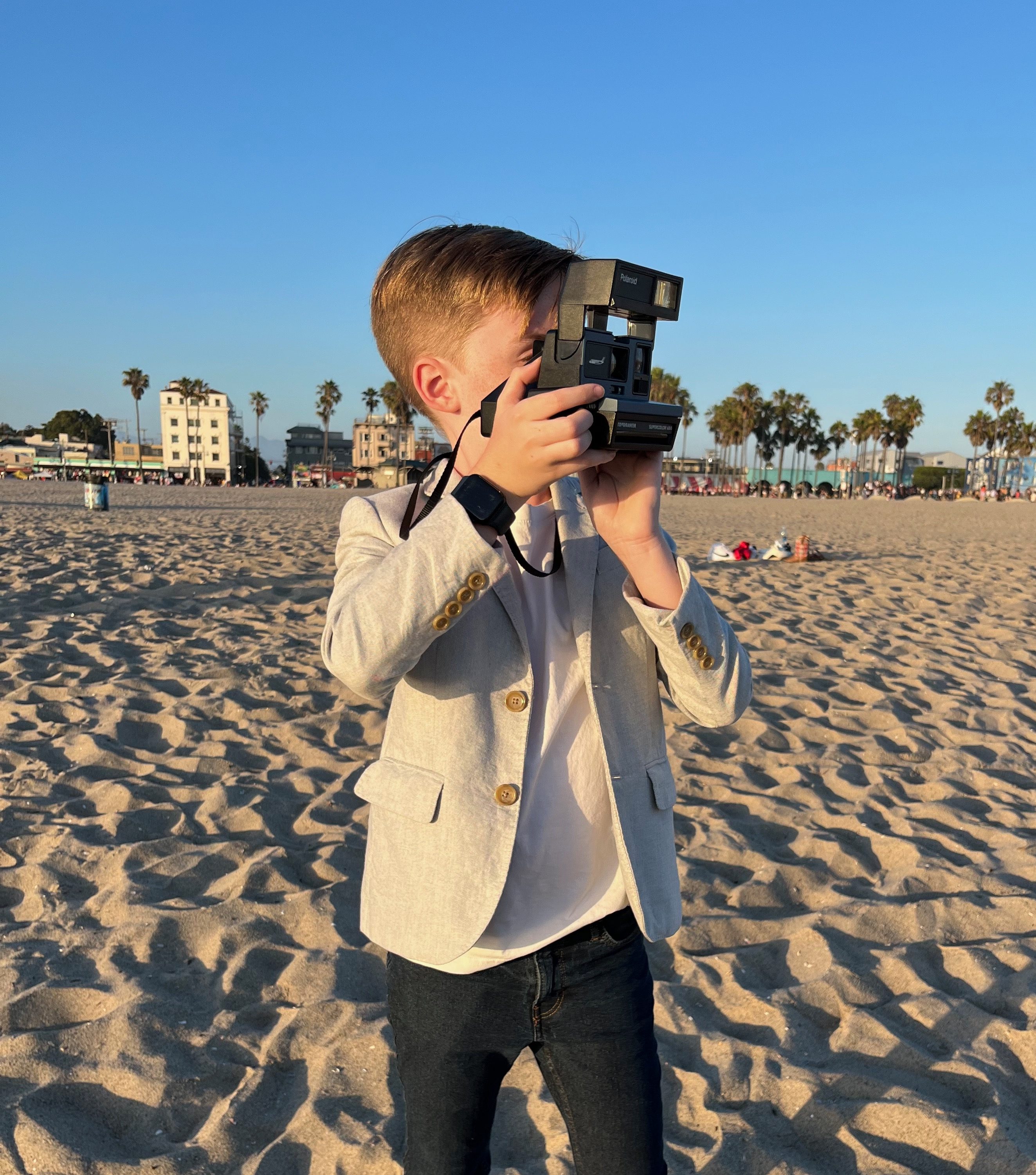
“There’s much the wise can comprehend, and many things they know; For wisdom makes a face to shine, and lets its softness show.” (Ecclesiastes 8:1)
This is the eighth post on Ecclesiastes, which I am translating into common meter. The following contains my rendering of Ecclesiastes 8, preceded by a brief reflection.
**********
Our face matters. Does this even need to be said? We live in a culture where there is a premium on physical beauty and “looking one’s best,” and where we go to lengths to pamper our faces. According to one survey, women spend on average $8/day on facial products, not to mention the time spent applying and removing them. Men too have daily routines of shaving or care for a beard, although faring somewhat better in cost and time due to diminished societal expectations. It doesn’t necessarily get easier with age, because time eventually catches up with our face. When it does there are facelifts, of which there are a staggering 250,000 performed annually in the U.S. And it’s not just the time and expense on pampering our face, but the uncountable number of times we look at our reflection during the course of a day. For men and women alike, there are few things that tug more at our vanity than facial appearance.
Our face matters, yes! But more than its physical appearance, it matters for what it communicates – its power for good or ill, to lift others up or tear them down, to bless or to curse. So much of our life that is mediated through our face. Through the face we communicate joy or sorrow, compassion or indifference, wonder or boredom, pleasure or anger, love or hate, and so forth and so on. Our eyes speak volumes, as do the 43 muscles in our face that can be moved or contorted in endless ways of nuanced communication. There is no virtue (or its opposite) that cannot be communicated through our face, our countenance.
I find it surprising that given its spiritual importance that there is not a lot of direct Biblical counsel on the matter. Ecclesiastes 8:1b is an exception. For here, the Teacher tells us that our face shines, becoming softer and gentler through wisdom, “For wisdom makes a face to shine, and lets its softness show.” Here are how some other translations render it:
- “A man’s wisdom makes his face to shine, and the boldness of his face shall be changed.” (KJV)
- “A person’s wisdom brightens his appearance, and softens his harsh countenance.” (NET)
- “Wisdom puts light in the eyes, and gives gentleness to words and manners.” (MSG)
- “A person’s wisdom brightens their face and changes its hard appearance.” (NIV)
Biblical wisdom is not the same as intelligence. The Teacher is not saying that if you are smart then you will go around with a smile on your face (although this might be good advice for some of us). What he is saying is that wisdom itself is what changes the countenance. This is not a matter of the intellect, but of purity of heart, because Biblical wisdom is a moral construct demonstrated by righteousness and virtue. The Apostle James put it this way, “Who is wise and understanding among you? Let them show it by their good life, by deeds done in the humility that comes from wisdom. … The wisdom that comes from heaven is first of all pure; then peace-loving, considerate, submissive, full of mercy and good fruit, impartial and sincere.” (James 3:13, 17)
Still, it would wrong to assume that the mind has nothing to do with Biblical wisdom. For the mind, our intellect, plays an important function in spiritual growth. Indeed, the first half of Ecclesiastes 8:1, the Teacher says, “There’s much the wise can comprehend, and many things they know.” Moreover, the touchstone for all spiritual growth involves the mind because we are “transformed by the renewal of our mind.” (Romans 12:2). To live authentically in the kingdom of God requires a mindful decision to follow His way guided by Scripture and the Holy Spirit. God is the one who changes our heart, but only as we consciously, “set our mind on things above.” (Colossians 3:2)
And setting our mind on the power of facial expressions is a case in point. Who among us cannot recall the pain we felt when someone gave us a look of indifference, a sneer of superiority, a frown of condemnation, a stare of disbelief, etc. We are adept at reading faces and have more than once felt the sting of criticism or disapproval, even when no words were spoken. But even as we reflect on these memories, we should also remember that there have been times in our life when we were on the dispensing end – when our facial expression harshly judged another person. Perhaps we were sorely vexed and felt justified if not righteous in that expression of disapproval? Perhaps our excuse was indifference or tiredness? Perhaps we felt that a look is not as bad as a word? Or perhaps we are so unaware of our facial expressions that we cannot recall having done so? It is I think the last reason – lack of awareness of how we are using our faces that is often the culprit. To “face up to our face,” that is, to reflect upon our countenance is a discipline that can lead to deeper spiritual growth, and ultimately to be a blessing to others.
One of the most encouraging and desired blessings in Scripture is the great Priestly blessing that the Lord told Aaron to speak over his people:
“The Lord bless you and keep you; The Lord make his face to shine upon you and be gracious to you; The Lord lift up his countenance upon you and give you peace.” (Numbers 6:24-26)
This is not a blessing for health or material goods. Nor is it a blessing to hear God speak the words, “well done, good and faithful servant.” It is simply a blessing that God, in his grace, would turn his face and look at us so that we would know his peace.
This phrase that the Lord would make his “face to shine,” is the exactly the same as in Ecclesiastes 8:1, that a man’s wisdom will make his “face to shine.” The transliterated Hebrew is: “panim or.” This is literally eye opening for us – that our countenance finds an analog in the countenance of God. That just as we can receive the blessing of God as his face shines upon us, we too have the power to bless others when we look on them with the tenderness of a loving face that silently communicates, “well done,” “you are valuable,” and “you are loved.”
We have no greater calling than to imitate the Lord. May this then be the prayer of our heart – that we are moved to bless those around us by turning our face upon them overflowing with peace and grace
S
**********
1 There’s much the wise can comprehend,
and many things they know;
For wisdom makes a face to shine,
and lets its softness show.
***
2 I say, obey the king’s command,
and his authority;
Because the oath you made to God,
requires loyalty.
3 Don’t be too quick to leave the king –
yet don’t support a wrong;
For though he does what pleases him,
you needn’t go along.
4 Because a king’s word is supreme,
and power absolute;
Can any person challenge him,
or what he says, dispute?
5 A king’s command will bring no harm,
to any who obey;
Yet those with wisdom will discern,
the proper time and way.
6 For there’s a right and proper way,
and time for everything;
Although a person’s weighted down,
by trials and suffering.
***
7 No one can know what lies ahead,
or what will come to be;
No one can tell another what,
will be their destiny.
8 No one can stop the wind, or change,
the day their death will be;
No one can flee from war, or find,
that evil sets them free.
***
9 When thinking over many things,
I saw to my alarm;
That there are times when those in charge,
cause suffering and harm.
10 And too, I saw the vile interred,
while being praised and blessed;
Within the city where they sinned –
this too is meaningless.
11 When sinners are not punished for,
the evil that they do;
Then other people are inclined,
to do the same things too.
12 Though sinners may live many years,
despite their many crimes;
I know that those who fear the Lord,
will see much better times.
13 The wicked who don’t fear the Lord,
will not prolong their days;
They won’t be like a shadow cast,
upon the sun’s last rays.
14 There’s something else that’s meaningless,
that makes the living sad;
Sometimes the wicked get what’s good,
sometimes the righteous bad.
***
15 I’m sure it’s best to eat and drink,
with joy for all its worth;
For this will lighten up the work,
God gives us here on earth.
***
16 I set my mind to know what’s wise,
and watch what people do;
I found that many do not sleep,
at night or daytime too.
17 I saw God’s work, but no one knows,
the things done by his hand;
And those asserting otherwise,
don’t really understand.
 Pursuit Of Virtue